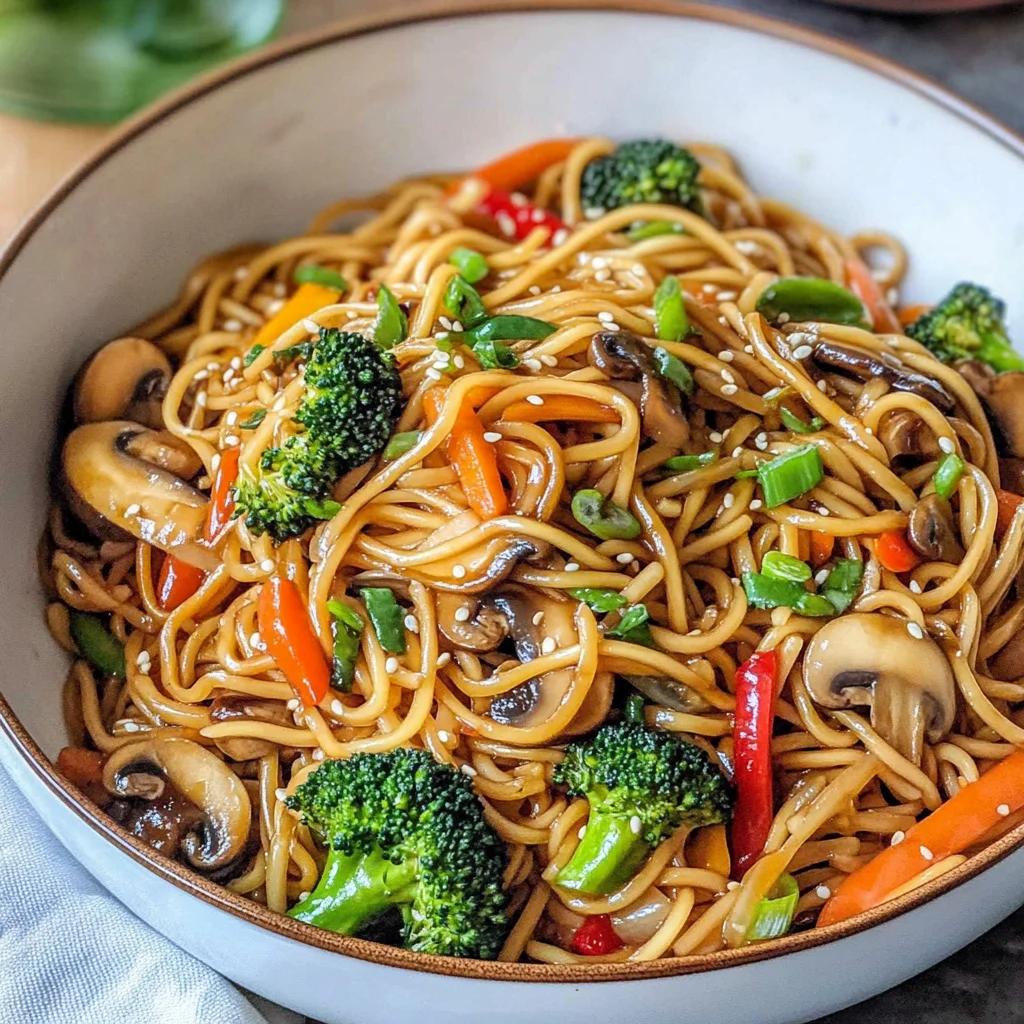
Craft Your Perfect Vegetable Lo Mein: Endless Veggie Combinations
There's an undeniable magic in a perfectly crafted bowl of
vegetable lo mein. It’s more than just a stir-fried noodle dish; it’s a vibrant, savory symphony where tender noodles intertwine with a kaleidoscope of crisp vegetables, all coated in an irresistible umami-rich sauce. Far from being just a takeout alternative, homemade
vegetable lo mein stands as a healthy, remarkably versatile, and surprisingly easy-to-make meal that can effortlessly become a staple in your culinary repertoire – especially for a satisfying meatless Monday dinner or a quick weeknight vegetarian feast.
Imagine your kitchen transforming into a bustling Chinese eatery, the air thick with enticing aromas, as you whip up a dish that’s both deeply satisfying and incredibly adaptable. This isn't just a recipe; it's an invitation to explore a world of flavor, texture, and creativity, transforming simple ingredients into a celebration in a bowl.
The Versatility of Vegetable Lo Mein: Your Culinary Canvas
Think of your
vegetable lo mein as a blank canvas, with the noodles and savory sauce forming the foundational strokes, and your chosen vegetables acting as your vibrant paint palette. The beauty of this dish lies in its boundless adaptability. You can tailor it precisely to your family's preferences, what's fresh and seasonal at your local market, or simply what you have on hand in your fridge.
The possibilities are truly endless when it comes to selecting your star veggies. Here's an expansive list to inspire your next creation:
*
Alliums: Onions (yellow or red), scallions (both white and green parts for different stages of cooking), garlic (essential for aromatics).
*
Root Vegetables: Shredded or thinly sliced carrots, matchstick daikon radish.
*
Cruciferous Crunch: Broccoli florets, tenderstem broccoli, Napa cabbage, bok choy, cauliflower florets.
*
Leafy Greens: Spinach, kale, Swiss chard, mustard greens – all cook down beautifully.
*
Peas & Beans: Snow peas, sugar snap peas, edamame (shelled), green beans, bean sprouts (add at the very end for maximum crunch).
*
Mushrooms: Sliced shiitake (fresh or rehydrated dried for intense flavor), cremini, oyster mushrooms, enoki.
*
Peppers: Bell peppers of any color (red, yellow, orange for sweetness and visual appeal, green for a slight bitterness).
*
Crunchy & Unique: Thinly sliced celery, bamboo shoots (canned, rinsed), water chestnuts (canned, sliced).
*
Seasonal Gems: Zucchini, asparagus spears, corn kernels, or even thinly sliced eggplant can find a happy home in your lo mein.
The key is to select a variety that offers a balance of colors, textures, and flavors. Don't be afraid to mix and match; a handful of carrots for sweetness, some bell peppers for crunch, and a generous portion of leafy greens for body and nutrients creates a truly dynamic dish. And for those looking for a quick and nutritious weeknight option, this dish truly embodies the spirit of an
Easy Vegetable Lo Mein: Your Go-To Meatless Monday Meal.
Choosing Your Noodles: From Authentic to Accessible
The foundation of any great lo mein is, of course, the noodles. While in China, fresh, often eggless hand-pulled noodles are readily available and provide an unparalleled texture, you have several excellent options closer to home:
*
Lo Mein Egg Noodles: These are the classic choice, found fresh or dried in the Asian grocery store. They offer that characteristic chewy, slightly springy texture. Fresh varieties often don't require pre-boiling, saving you a step.
*
Packaged Fresh White Noodles: These are another fantastic option, often available in the refrigerated section of Asian markets. They have a lovely bite and absorb sauce beautifully.
*
Dried Spaghetti: In a pinch, dried spaghetti can serve as a surprisingly decent substitute. While not traditional, its texture is similar enough to carry the sauce and vegetables effectively.
Regardless of your choice, ensure your noodles are cooked
al dente – firm to the bite, not mushy. After boiling (if required), drain them thoroughly and rinse immediately in cold water to stop the cooking process and prevent sticking. Before adding them to the wok, you might even want to give them another quick rinse in warm water to loosen any clumps. This small step ensures every strand gets evenly coated in that delicious sauce.
Crafting the Irresistible Lo Mein Sauce
The soul of any great
vegetable lo mein lies in its perfectly balanced sauce. This isn't just about pouring over soy sauce; it's a careful blend designed to deliver a complex profile of salty, sweet, umami, and aromatic notes. The best practice is to whisk all your sauce ingredients together in a small bowl *before* you start cooking, ensuring a smooth, cohesive mixture ready to pour in at the right moment.
Here's the essential lineup for your homemade lo mein sauce:
*
Dark Soy Sauce: Primarily for color, giving your noodles that rich, appealing sheen. It’s also slightly thicker and less salty than light soy sauce.
*
Light Soy Sauce: This is where most of your savory, salty flavor comes from. Choose a good quality one for the best taste.
*
Toasted Sesame Oil: A powerful aromatic, adding a distinctive nutty, earthy depth. A little goes a long way.
*
Sugar: Just a touch, dissolved completely, to balance the saltiness of the soy sauces and enhance the overall flavor. White sugar is common, but brown sugar can add a hint of molasses.
*
Shaoxing Wine (or Dry Sherry/Chicken Broth): This is crucial for authentic flavor, adding complexity and a touch of acidity. If unavailable, dry sherry or even chicken/vegetable broth can work as a substitute, though the flavor profile will differ slightly.
*
Five-Spice Powder (Optional): For an extra layer of traditional Chinese aroma and warmth. Use sparingly as it's quite potent.
*
Cornstarch Slurry (Optional): A small amount of cornstarch dissolved in water can be added to the sauce to thicken it slightly, ensuring it clings beautifully to the noodles and vegetables.
Mix these components thoroughly until the sugar is fully dissolved. This simple step elevates your lo mein from good to truly exceptional.
The Art of Wok Cooking: Building Flavors Layer by Layer
The secret to restaurant-quality
vegetable lo mein lies in high-heat, quick stir-frying. A searing hot wok is your best friend, allowing you to cook vegetables rapidly while retaining their crisp-tender texture and vibrant color. If you don't have a wok, a large, heavy-bottomed skillet can work, just be mindful not to overcrowd it.
Here’s a breakdown of the stir-frying process:
1.
Aromatics First: Heat your cooking oil (a neutral oil like canola, grapeseed, or peanut oil) in the wok over high heat until it's just smoking. Add your minced garlic and the white parts of your scallions. Stir-fry for about 15-30 seconds until fragrant, but be careful not to burn the garlic.
2.
Tougher Veggies Enter: Next, add your tougher vegetables like sliced carrots and bell peppers. Stir-fry for 1-2 minutes, allowing them to soften slightly but still retain their bite. This is where you might add a splash of Shaoxing wine – it creates steam, deglazes the wok, and infuses flavor.
3.
Quicker Cooking Greens: Introduce softer vegetables like snow peas, bean sprouts, and leafy greens. Stir-fry for another minute or so, until the greens are just wilted and the snow peas are bright green. The goal is crisp-tender, not soggy.
4.
Noodles and Sauce: Finally, add your pre-cooked, loosened noodles to the wok. Pour your prepared sauce mixture evenly over the noodles and vegetables.
5.
The Grand Finale: Using tongs or two spatulas, toss and stir-fry everything vigorously for another 1-2 minutes, ensuring the noodles and every piece of vegetable are thoroughly coated in the glistening sauce and heated through.
Remember, quick movements are key. Don’t overcrowd your wok; if you have a large batch of vegetables, consider stir-frying them in two smaller batches to maintain the high heat.
Beyond the Basics: Elevating Your Vegetable Lo Mein Experience
While
vegetable lo mein is a star on its own, there are many ways to enhance and customize your dish further, taking it to new culinary heights.
*
Protein Power-Ups: For a heartier meal, consider adding plant-based proteins. Cubed firm or extra-firm tofu (pressed and pan-fried until crispy), tempeh, or even a handful of rehydrated textured vegetable protein can integrate seamlessly.
*
Garnish Game Strong: A sprinkle of fresh green scallion tops, a handful of toasted sesame seeds, or a drizzle of chili oil for a kick can add both visual appeal and an extra layer of flavor and texture. Fresh cilantro or a squeeze of lime juice can also brighten the dish.
*
Perfect Pairings: What complements a steaming bowl of lo mein? For me, nothing beats a side of crispy spring rolls, echoing the sentiment from our reference. The delightful crunch and savory filling provide a wonderful textural contrast to the soft noodles. Other great companions include potstickers, a light cucumber salad, or a simple clear broth soup.
*
Meal Prep Savvy: Lo mein makes excellent leftovers! The noodles and vegetables hold up well. You can even prep components like chopped vegetables and the mixed sauce ahead of time, making assembly a breeze on a busy weeknight.
* And if you're aiming for that authentic takeaway taste, mastering the techniques can help you create
Restaurant-Style Veggie Lo Mein: Simple Steps for a Healthy Meal right in your own kitchen.
In conclusion, crafting your own
vegetable lo mein is an incredibly rewarding culinary journey. It's a dish that champions versatility, health, and flavor, proving that a meatless meal can be profoundly satisfying and exciting. From selecting your favorite noodles to combining a symphony of colorful vegetables and mastering the art of the savory sauce, every step allows for personal expression. So, gather your ingredients, fire up your wok, and unleash your creativity to design a perfect bowl of homemade
vegetable lo mein that's uniquely yours – a testament to delicious, wholesome, and customizable cooking.