Easy Vegetable Lo Mein: Your Go-To Meatless Monday Meal
There's something truly captivating about a steaming bowl of
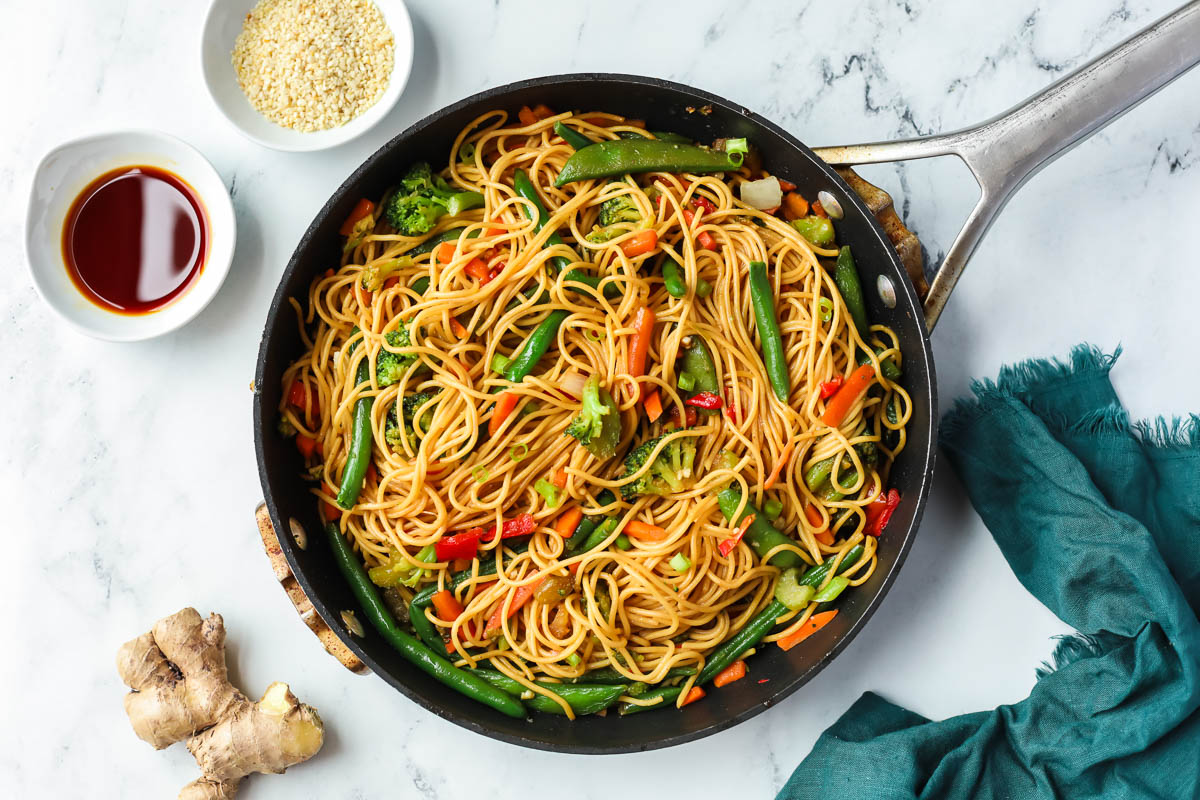
vegetable lo mein. The glossy, savory noodles intertwine with a vibrant medley of crisp-tender vegetables, creating a dish that’s not just a meal, but a little celebration in itself. Forget the hassle of takeout; this homemade version brings all the magic of your favorite Chinese restaurant straight to your kitchen, making it the ultimate solution for a delicious, healthy, and incredibly easy Meatless Monday.
This dish isn't just about recreating a takeout classic; it's about embracing a simple, versatile noodle stir-fry that can become a staple in your culinary repertoire. Whether you're a seasoned home cook or just starting your journey, this
vegetable lo mein recipe is designed to be accessible, adaptable, and utterly delicious. It's a testament to the idea that healthy eating can be both flavorful and convenient.
Why Vegetable Lo Mein is Your Meatless Monday Champion
Choosing
vegetable lo mein for your Meatless Monday isn't just a whim; it's a smart, flavorful decision packed with benefits. First and foremost, it's inherently healthy. By focusing on a diverse array of fresh vegetables, you’re loading your plate with essential vitamins, minerals, and fiber. This plant-powered approach can boost your energy levels and contribute to a well-balanced diet.
Beyond its nutritional prowess, the ease of preparation is a huge draw. We're talking about a dish that comes together quicker than ordering delivery, especially once you have your ingredients prepped. It eliminates the stress of weeknight cooking, allowing you more time to relax and enjoy your meal. Furthermore, opting for a vegetarian meal often translates to a more cost-effective dinner. Fresh vegetables and noodles are typically less expensive than meat, making this an economical choice for families looking to stretch their grocery budget without sacrificing flavor or quality. The versatility of
vegetable lo mein also means less food waste; you can use whatever fresh produce you have on hand, transforming it into a delicious meal. It’s a truly resourceful and rewarding dish.
Building Your Perfect Vegetable Lo Mein: The Noodle Foundation
The heart of any lo mein dish lies, quite literally, in its noodles. While the perfect noodle might differ based on availability and personal preference, understanding your options is key to achieving that authentic texture and chewiness.
In China, fresh, often eggless hand-pulled noodles are readily available and provide an unparalleled texture – springy and substantial. However, for most home cooks, several excellent alternatives work beautifully:
*
Lo Mein Egg Noodles: These are widely available in the refrigerated section of most Asian grocery stores. They are specifically designed for lo mein and offer that classic chewiness. Some varieties come pre-cooked, which can save you a step!
*
Packaged Fresh White Noodles: These are another fantastic option, often found alongside the egg noodles. They have a softer, smoother texture.
*
Dried Lo Mein Noodles: If fresh isn't an option, dried lo mein noodles work well. Just ensure they are the thicker, chewier variety, not the thin ramen-style noodles.
*
Spaghetti or Linguine: In a pinch, don't hesitate to reach for dried spaghetti or linguine from your pantry. While not traditional, they absorb the sauce wonderfully and offer a satisfying bite. This is a great testament to the dish's adaptability!
Pre-Cooking Your Noodles:
For most uncooked fresh or dried noodles, the process is straightforward:
1. Bring a large pot of water to a rolling boil.
2. Add your chosen noodles and cook according to package directions until they are *al dente* – firm to the bite but not hard. Overcooked noodles will become mushy in the stir-fry.
3. Drain the noodles thoroughly and, importantly, rinse them immediately under cold water. This stops the cooking process and prevents them from sticking together, ensuring individual strands that will beautifully absorb your sauce.
4. Set them aside. If they seem to clump before you're ready to add them to the wok, a quick rinse under warm water can loosen them up.
Unleash Your Inner Chef: The Vegetable Palette
Here's where the "blank canvas" metaphor truly comes alive for your
vegetable lo mein. With your noodles and a savory sauce as the base, the choice of vegetables becomes your artistic palette. The beauty of this dish is its incredible adaptability to your family's preferences and, even better, to whatever local, seasonal vegetables you have available. This makes it an incredibly sustainable and flexible meal.
Consider this diverse array of vegetables, each bringing its own flavor, texture, and color:
*
Alliums for Aroma: Onions (thinly sliced) and scallions (white parts for stir-frying, green parts for garnish) provide a foundational aromatic layer.
*
Crisp & Crunchy: Bean sprouts, bamboo shoots, and thinly sliced celery add a delightful snap and texture contrast.
*
Sweet & Colorful: Carrots (julienned or thinly sliced) and bell peppers (any color, sliced) offer natural sweetness and vibrant hues, making your dish visually appealing.
*
Earthy & Umami: Mushrooms, such as shiitake, cremini, or even simple button mushrooms, lend a rich, savory depth.
*
Leafy Greens: Napa cabbage, bok choy, spinach, or other leafy greens wilt beautifully, adding freshness and nutrients.
*
Sweet Peas: Snow peas or shelled peas bring a pop of sweet green and a tender bite.
Pro Tips for Veggie Prep:
*
Uniformity is Key: Cut all your vegetables into similar-sized pieces to ensure they cook evenly. This prevents some pieces from being raw while others are overcooked.
*
Layering Flavors: Think about the cooking times of your vegetables. Harder, denser vegetables like carrots and bamboo shoots should go into the wok first, followed by medium-cook vegetables like bell peppers and mushrooms, and finally, quick-cooking greens and bean sprouts.
*
Seasonal Bounty: Don't be afraid to experiment with seasonal produce. Asparagus in spring, zucchini in summer, or even Brussels sprouts in fall can find a delicious home in your lo mein. For more ideas and inspiration on combining different veggies, dive into our comprehensive guide:
Craft Your Perfect Vegetable Lo Mein: Endless Veggie Combinations.
Crafting the Irresistible Lo Mein Sauce & Stir-Frying Technique
The sauce is the soul of your
vegetable lo mein, coating every noodle and vegetable with its savory, umami-rich goodness. Achieving that perfect balance of salty, sweet, and aromatic flavors is simpler than you might think.
The Essential Sauce Blend:
In a small bowl, whisk together:
*
Dark Soy Sauce: This provides a deeper, richer color and a slightly sweeter, less salty flavor profile than light soy sauce.
*
Light Soy Sauce: The primary source of saltiness and umami.
*
Toasted Sesame Oil: Aromatic and nutty, it adds a distinctive Asian flavor. A little goes a long way!
*
Sugar: A crucial component to balance the saltiness of the soy sauces and enhance the overall flavor. Dissolved sugar (or a liquid sweetener) works best.
*
Five-Spice Powder (Optional but Recommended): For an extra layer of complexity and warmth, a pinch of five-spice powder can elevate your sauce to restaurant quality.
*
A Splash of Water or Vegetable Broth: This helps loosen the sauce and ensures it coats everything evenly without becoming too thick.
*
Cornstarch Slurry (Optional): A small amount of cornstarch mixed with cold water can be added to the sauce to give it a slightly thicker, glossy consistency if desired.
Mastering the Stir-Fry:
The key to a truly great stir-fry is high heat and quick cooking. If you have a wok, now is its time to shine! If not, a large, heavy-bottomed skillet or cast-iron pan will also work well.
1.
Heat Your Wok: Add a tablespoon or two of a high smoke point oil (like canola, grapeseed, or peanut oil) to your wok or skillet and heat it over high heat until it's shimmering and just starting to smoke. A searing hot pan is essential for achieving that characteristic "wok hei" – the smoky, complex flavor of a well-executed stir-fry.
2.
Aromatics First: Add minced garlic and the white parts of your scallions. Stir-fry vigorously for about 15-30 seconds until fragrant, being careful not to burn the garlic.
3.
Harder Vegetables: Toss in your harder vegetables like mushrooms, carrots, and bell peppers. Stir-fry for 1-2 minutes, keeping them moving constantly.
4.
The Shaoxing Wine Kiss: If using, pour a splash of Shaoxing wine (Chinese cooking wine) directly into the hot pan. It will sizzle and create steam, deglazing the pan and adding incredible depth of flavor. If you don't have Shaoxing wine, a dry sherry or even a splash of vegetable broth can be used.
5.
Softer Vegetables: Add your snow peas and leafy greens to the wok. Continue to stir-fry until the greens are just wilted, typically another minute or two. You want them tender-crisp, not mushy.
6.
Noodles & Sauce: Now, add your pre-cooked, loosened noodles to the wok. Pour your prepared sauce mixture over the noodles and vegetables.
7.
Toss and Coat: Using tongs or two spatulas, toss everything vigorously until the noodles and vegetables are thoroughly coated with the sauce. Continue to stir-fry for another 1-2 minutes to allow the flavors to meld and the sauce to thicken slightly.
8.
Finish: Stir in the green parts of your scallions just before serving for a burst of fresh flavor and color.
For a deeper dive into achieving that perfect restaurant-style texture and flavor, including more nuanced stir-frying tips, check out our guide:
Restaurant-Style Veggie Lo Mein: Simple Steps for a Healthy Meal.
Serving Suggestions & Customization
Your homemade
vegetable lo mein is a star dish all on its own, but it also pairs beautifully with a few complementary sides. Crispy spring rolls, as mentioned in the context, are a classic choice, offering a delightful textural contrast. A light cucumber salad or some steamed edamame can also make for a refreshing accompaniment.
Don't hesitate to further customize your lo mein. If you're looking to boost the protein content (while keeping it meatless), consider adding pan-fried tofu cubes, tempeh strips, or even shelled edamame to the stir-fry. For those who like a bit of heat, a drizzle of chili oil, sriracha, or a sprinkle of red pepper flakes at the table can kick things up a notch.
Conclusion
There you have it – a comprehensive guide to crafting your very own delicious and easy
vegetable lo mein. This versatile dish truly embodies the spirit of Meatless Monday: it's healthy, incredibly flavorful, adaptable to your pantry and preferences, and comes together in a flash. Say goodbye to greasy takeout and hello to a homemade staple that promises comfort, nutrition, and satisfaction in every bite. So, fire up your wok, gather your favorite vegetables, and make this vibrant noodle stir-fry your new go-to weeknight hero. You’ll be amazed at how simple it is to bring restaurant-quality flavors into your home, making every Monday a little more delicious.