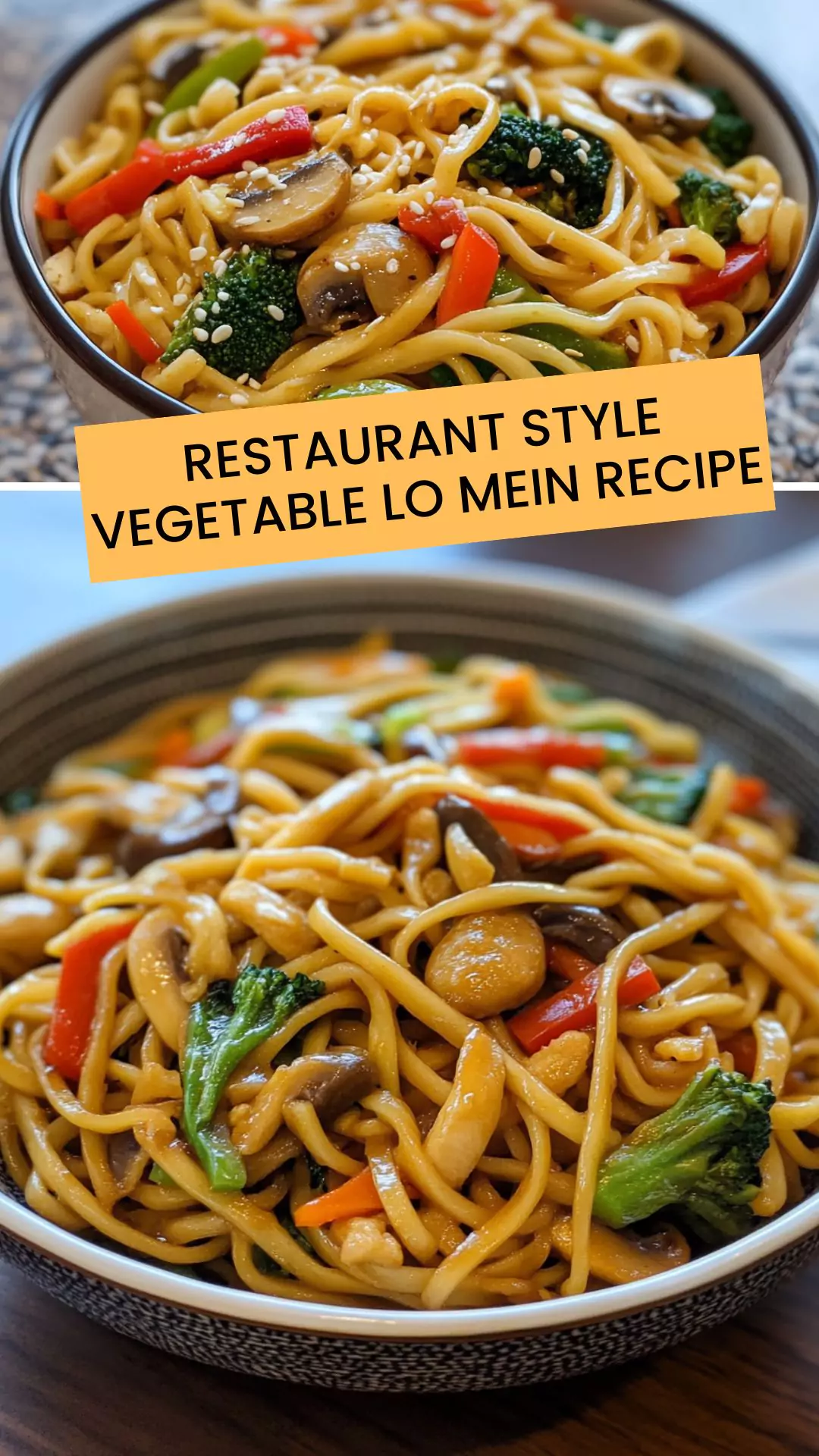
Imagine a vibrant, flavorful dish, glistening with a savory sauce, packed with crisp-tender vegetables, and featuring perfectly chewy noodles. Now imagine creating that masterpiece in your own kitchen, effortlessly, and healthier than any takeout option. This isn't just a fantasy; it's the reality of making easy vegetable lo mein at home. Forget the greasy, sometimes questionable restaurant versions – your homemade rendition can be a true celebration in a bowl, a healthy and delicious staple perfect for any day of the week, especially a Meatless Monday.
Far from a mere takeout makeover, homemade vegetable lo mein is a culinary canvas. It’s a versatile noodle dish that adapts to your preferences, your pantry, and the freshest produce the season offers. Whether you’re a seasoned chef or a kitchen novice, mastering this dish will add a nutritious and incredibly satisfying meal to your repertoire.
Unlocking the Magic of Homemade Vegetable Lo Mein
There's a certain allure to ordering Chinese takeout, but the beauty of preparing vegetable lo mein at home lies in its unparalleled freshness, customization, and health benefits. Unlike its restaurant counterparts which can often be laden with excessive oil and sodium, your homemade version grants you complete control over every ingredient. This means a dish that's not only incredibly tasty but also genuinely healthy, making it an ideal choice for a wholesome family dinner or a vibrant vegetarian meal.
The core appeal of this versatile noodle dish is its inherent simplicity. Don't be intimidated by the idea of replicating restaurant flavors; the techniques are straightforward, and the results are consistently rewarding. It’s an efficient meal to whip up on a busy weeknight, proving that delicious, nutritious food doesn't have to be complicated or time-consuming. Moreover, the act of cooking this dish at home transforms it from a simple meal into a creative process, allowing you to infuse it with your personal touch and dietary needs.
The Foundation: Noodle Choices & Perfect Prep
At the heart of any great lo mein lies the perfect noodle. While in China, fresh, often hand-pulled, eggless noodles are abundantly available, home cooks have a wide array of excellent options that deliver that authentic chew and texture. The key is understanding these choices and preparing them correctly to ensure they absorb the savory sauce beautifully without becoming mushy or clumped.
Choosing Your Lo Mein Noodles:
- Fresh White Noodles: These are excellent if you can find them in your local Asian grocery store. They offer a wonderfully springy texture.
- Lo Mein Egg Noodles (Fresh or Dried): A classic choice, these noodles are specifically designed for lo mein and chow mein dishes. Both fresh and dried varieties work well.
- Packaged Fresh Noodles: Many brands offer pre-cooked or partially cooked fresh noodles that require minimal preparation, often just a quick rinse to loosen.
- Spaghetti or Linguine: In a pinch, Italian pasta can be a surprisingly effective substitute. Opt for thinner varieties like spaghetti or linguine for the best texture mimicry.
Perfect Noodle Preparation:
Regardless of your choice, proper noodle preparation is crucial. For most uncooked noodles (fresh white or dried lo mein egg noodles), boil them in a large pot of generously salted water until they are al dente – firm to the bite but not hard. Overcooking is the enemy here, as they'll continue to cook briefly in the wok.
Once cooked, drain the noodles thoroughly and, for many varieties, rinse them immediately under cold water. This stops the cooking process and prevents them from sticking together, ensuring individual strands that separate easily during stir-frying. After rinsing, let them drain again or even toss them lightly with a tiny bit of sesame oil to keep them loose. Before adding them to your wok, it's vital that they are somewhat loose and not in a solid clump. If they've sat for a bit, a quick rinse in warm water can help separate them.
Your Culinary Canvas: Crafting the Perfect Vegetable Medley
The true beauty of vegetable lo mein lies in its incredible adaptability, allowing you to treat it as a culinary "white canvas." With your noodles and a robust sauce as the base, the world of vegetables becomes your palette. This flexibility means you can tailor the dish to your family's preferences, what's freshest in season, or simply what you have on hand.
A Spectrum of Vegetable Choices:
The possibilities are virtually endless. Consider these popular and delicious additions:
- Aromatics: Onions, scallions (white and green parts), garlic, ginger. These form the fragrant foundation.
- Crunchy & Colorful: Carrots (julienned or thinly sliced), bell peppers (red, yellow, green for a burst of color), snow peas, sugar snap peas, bamboo shoots.
- Earthy & Umami: Sliced mushrooms (shiitake, cremini, oyster), thinly sliced celery.
- Leafy Greens: Napa cabbage, bok choy, spinach, kale, gai lan (Chinese broccoli). These wilt down beautifully and add a delicate bitterness and tenderness.
- Other Favorites: Bean sprouts (add them at the very end for maximum crispness), broccoli florets, water chestnuts.
- Seasonal Inspiration: Embrace the seasons! Spring brings tender asparagus, summer offers vibrant zucchini, and fall provides hardy squash or Brussels sprouts.
Tips for Vegetable Preparation:
The key to a successful vegetable lo mein stir-fry is uniformity in cutting. Aim for pieces that are roughly the same size and thickness to ensure even cooking. Harder vegetables like carrots and broccoli will need to be added to the wok first, while softer ones like leafy greens and bean sprouts go in last. This ensures every vegetable retains a pleasant crisp-tender texture, contributing to the overall harmony of the dish.
The Secret Sauce & Searing Technique: Mastering Lo Mein Flavor
While the noodles and vegetables are crucial, it’s the rich, savory sauce and the high-heat stir-frying technique that truly define restaurant-style vegetable lo mein. This combination creates that distinctive depth of flavor and texture that makes the dish so irresistible.
Crafting the Signature Lo Mein Sauce:
The sauce is a delicate balance of sweet, salty, and umami. Typically, it combines:
- Dark Soy Sauce: Primarily for color, giving the noodles that beautiful rich brown hue, and a subtle sweetness.
- Light Soy Sauce (or Regular Soy Sauce): Provides the main salty and umami backbone.
- Toasted Sesame Oil: Adds an essential nutty aroma and flavor. A little goes a long way!
- Sugar (dissolved): Balances the salty notes and helps with caramelization.
- Shaoxing Wine (optional but recommended): A Chinese cooking wine that adds depth, complexity, and that authentic restaurant flavor. If you don't have it, a dry sherry or even chicken/vegetable broth can be a decent substitute.
- Five-Spice Powder (optional): For a hint of aromatic warmth and complexity. Use sparingly.
Combine all sauce ingredients in a small bowl before you start cooking. This ensures a smooth, even application and prevents you from scrambling to mix ingredients while your wok is searing hot.
Mastering the Stir-Fry:
The stir-fry method is about speed and high heat. A wok is ideal, but a large, heavy-bottomed skillet can also work. The goal is to cook ingredients quickly, retaining their crispness and vibrant color, while developing complex flavors.
- Heat the Wok: Get your wok searing hot over high heat before adding any oil. This is crucial for achieving the "wok hei" – the smoky, charred aroma characteristic of authentic stir-fries.
- Oil & Aromatics: Add a high smoke point oil (like grapeseed, canola, or peanut oil). Immediately add minced garlic, the white parts of scallions, and hardier vegetables like mushrooms and carrots. Stir-fry vigorously for about 30 seconds to a minute.
- Deglaze & Continue: Add your bell peppers and any other mid-density vegetables. If using Shaoxing wine, hit the hot wok with it now; the steam will help deglaze and infuse flavor. Continue stir-frying for another minute.
- Leafy Greens & Noodles: Toss in softer vegetables like snow peas and leafy greens (napa cabbage, spinach). Cook just until they begin to wilt. Then, add your prepared noodles. Make sure they are loose and not clumped; rinse them in warm water if needed.
- Sauce & Final Toss: Pour your pre-mixed sauce over the noodles and vegetables. Using tongs or two spatulas, stir-fry continuously, tossing and turning the ingredients to ensure the sauce coats every strand of noodle and every piece of vegetable evenly. Cook for 1-2 minutes until everything is well combined, heated through, and the sauce has thickened slightly.
Garnish with the green parts of the scallions, a sprinkle of sesame seeds, or a drizzle of chili oil for an extra kick. Serve immediately and revel in your delicious, homemade vegetable lo mein!
Conclusion
Creating restaurant-style vegetable lo mein at home is not just about making a meal; it's about embarking on a flavorful journey that rewards you with a dish far superior to any takeout. With its simple steps, endless customization possibilities for vegetables, and control over healthy ingredients, this vibrant noodle dish truly becomes a staple vegetarian option or your go-to Meatless Monday delight. Embrace the versatility, savor the freshness, and enjoy the satisfaction of crafting a healthy, delicious, and utterly irresistible bowl of vegetable lo mein right in your own kitchen.
